Brazil Betting Ban: Worst Impact on Unlicensed Operators
Brazil betting ban may lead to R$25B going to unlicensed operators.
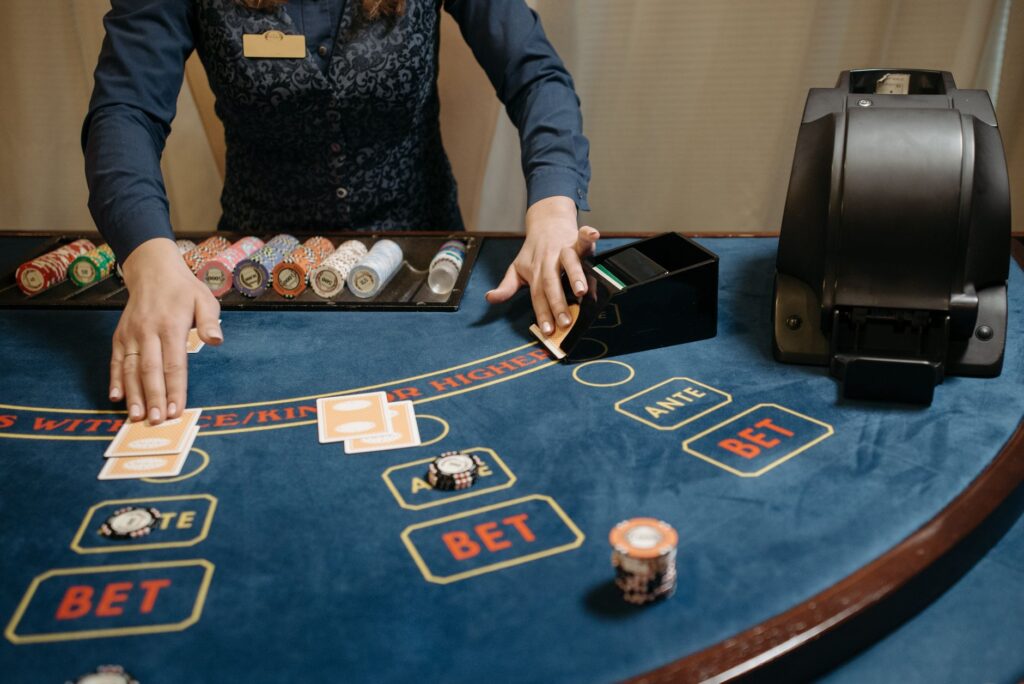
The Brazil betting ban is expected to send R$25 billion to unlicensed operators, raising concerns about the future of regulated gambling in the country.
Understanding the Brazil Betting Ban
The recent Brazil betting ban has raised significant concerns among industry experts and regulators. As the government moves to impose stricter controls on the gambling sector, many believe that the consequences will be far-reaching, particularly for unlicensed operators.
Currently, the Brazilian betting market is estimated to be worth around R$25 billion. However, the implementation of the ban is expected to push a substantial portion of this revenue into the hands of unlicensed operators. These entities, which often operate outside the law, can undermine the efforts of legitimate businesses and lead to a range of social issues.
Several key factors contribute to the potential fallout from the Brazil betting ban:
- Regulatory Challenges: The lack of clear regulations may encourage bettors to seek out unregulated platforms.
- Consumer Protection: Unlicensed operators typically offer no consumer safeguards, exposing players to risks.
- Tax Revenue Loss: The government could miss out on significant tax revenues that could be generated from a properly regulated market.
Experts argue that a well-regulated betting framework could not only protect consumers but also help the Brazilian government capitalize on the lucrative gambling market. Without such measures, the country may inadvertently fuel the unlicensed sector, further complicating the landscape of betting in Brazil.
Implications for Unlicensed Operators
The recent Brazil betting ban has raised significant concerns regarding its implications for unlicensed operators. As the government moves to regulate the gambling industry, many unlicensed operators may exploit regulatory gaps, leading to potential financial losses for the state.
Industry experts warn that the ban could inadvertently drive bettors towards unregulated markets. The following points highlight the consequences for unlicensed operators:
- Increased Market Share: Unlicensed operators are likely to gain a larger share of the market as bettors seek alternatives to regulated platforms.
- Revenue Loss for the Government: With the rise of unlicensed betting, the government may miss out on substantial tax revenues that could have been generated from a regulated environment.
- Consumer Protection Risks: Bettors using unlicensed services may face higher risks, including fraud and lack of recourse in case of disputes.
- Challenges for Licensed Operators: Licensed operators may struggle to compete with unlicensed entities that do not adhere to regulatory costs and standards.
In conclusion, the Brazil betting ban poses significant challenges not only for the state but also for the integrity of the gambling sector as unlicensed operators thrive in this unregulated space.
The Future of Regulated Gambling in Brazil
The future of regulated gambling in Brazil is facing significant challenges following the recent Brazil betting ban. As the government aims to control the gambling landscape, the implications for both consumers and licensed operators are becoming increasingly complex.
With the ban potentially redirecting investments, there are concerns that unlicensed operators may thrive in the shadows. This shift could undermine the intended benefits of regulation, such as consumer protection and tax revenue generation. Industry experts warn that unless the government takes decisive action to promote a robust regulatory framework, the market may remain vulnerable.
Key factors that will influence the future of regulated gambling include:
- Legislative Clarity: Clear laws and regulations are essential for fostering a safe gambling environment.
- Consumer Awareness: Educating players about the risks associated with unlicensed operators can help mitigate potential harms.
- Enforcement Mechanisms: Strong enforcement against illegal activities is crucial to support the regulated market.
As Brazil navigates this complex landscape, the challenge will be to balance regulation with the realities of a thriving underground market. Stakeholders must collaborate to ensure a fair and transparent gambling ecosystem that benefits all parties involved.
Economic Impact of the Betting Ban
The recent Brazil betting ban is expected to have significant economic ramifications, particularly for the gambling industry. With the prohibition of unregulated gambling activities, the government aims to protect consumers and ensure fair play. However, this ban may inadvertently push many players towards unlicensed operators, leading to substantial financial losses for the state.
According to industry experts, the unregulated sector could see an influx of nearly R$25 billion as bettors seek alternatives to the sanctioned market. The allure of unlicensed platforms often lies in their attractive odds and promotions, which appeal to a vast audience of punters. Unfortunately, this scenario poses risks, including fraud and lack of consumer protection, which could exacerbate the economic consequences of the betting ban.
Moreover, the transition to a fully regulated market may take time, leaving a significant gap where unlicensed operators thrive. As traditional bookmakers struggle to adapt to the new regulations, potential job losses and reduced tax revenues could negatively impact local economies.
- Job Losses: Many workers in the legal gambling sector may face unemployment.
- Tax Revenue: The government could miss out on crucial tax income from a regulated market.
- Consumer Risks: Unlicensed platforms often lack safeguards, exposing bettors to fraud.
In summary, while the Brazil betting ban aims to regulate the industry, its unintended consequences may harm both the economy and consumers alike.
Comparing Legal and Illegal Gambling Markets
The recent Brazil betting ban has brought into sharp focus the stark contrast between legal and illegal gambling markets in the country. As the government enforces stringent regulations, it is essential to analyze how this affects both segments.
On one hand, the legal gambling market is expected to thrive under new regulations, aiming to create a safe and transparent environment for bettors. This market is characterized by:
- Licensing Requirements: Operators must comply with strict guidelines to obtain licenses.
- Taxation: Legal operators contribute to state revenues through taxes, benefiting public services.
- Consumer Protection: Regulations ensure that players are protected from fraud and unfair practices.
Conversely, the illegal gambling market has grown significantly and is likely to flourish in the wake of the Brazil betting ban. Characteristics of this market include:
- Lack of Regulation: Unlicensed operators can offer services without oversight, increasing risks for bettors.
- Potential for Exploitation: Players have little recourse in cases of disputes, making them vulnerable.
- Underground Economy: Unlicensed operators do not contribute to the economy, depriving the state of potential revenue.
As Brazil navigates these challenges, the long-term effects of the betting ban on both legal and illegal markets remain to be seen.
Responses from the Gambling Industry
Responses from the gambling industry regarding the Brazil betting ban have been mixed, with many stakeholders voicing their concerns over the potential negative impacts on the sector. Several industry leaders argue that the ban may inadvertently benefit unlicensed operators, as players seek alternatives to legally sanctioned platforms.
- Industry Concerns: Many operators believe that the restrictions imposed by the ban will drive gamblers to underground markets, where regulation and consumer protection are virtually non-existent. This shift could exacerbate issues related to responsible gambling.
- Calls for Regulation: Advocates for regulated gambling argue that a well-structured framework could mitigate risks associated with unlicensed operators. They emphasize the importance of implementing robust guidelines to ensure player safety and fair play.
- Need for Collaboration: Industry representatives are urging the government to engage in dialogue with stakeholders to create a balanced approach. A collaborative effort could lead to a regulatory environment that satisfies both the government’s objectives and the industry’s needs.
Ultimately, the Brazil betting ban could reshape the landscape of gambling in the country. With unlicensed operators poised to gain a significant advantage, the industry is calling for immediate action to address these challenges and foster a safer gambling environment.
Potential Solutions to Combat Unlicensed Betting
As Brazil grapples with the implications of its betting ban, addressing the rise of unlicensed operators becomes critical. To combat the challenges posed by these illegal entities, several potential solutions can be implemented.
- Enhanced Regulation: Establishing a comprehensive regulatory framework could help legitimize the gambling industry. This framework would create a clear path for operators to obtain licenses, thus reducing the appeal of unlicensed betting options.
- Public Awareness Campaigns: Educating the public about the risks associated with unlicensed betting is essential. By informing consumers of the dangers, such as fraud and lack of consumer protection, the government could discourage participation in illegal markets.
- Collaboration with Technology Companies: Partnering with tech firms to monitor and block access to unlicensed gambling websites can significantly limit their reach. Utilizing advanced tracking and reporting tools will enable authorities to target illegal operations more effectively.
- Incentives for Legal Operators: Offering tax breaks or reduced fees for licensed operators could encourage compliance. This would not only support the regulated market but also promote responsible gambling practices.
Ultimately, addressing the challenges of the Brazil betting ban requires a multifaceted approach that prioritizes regulatory compliance while safeguarding consumer interests.
What This Means for Brazilian Bettors
The recent Brazil betting ban has significant implications for bettors across the country. As the government implements stricter regulations, many bettors may find themselves navigating a more complicated landscape. While the ban aims to protect consumers and ensure fair play, it inadvertently creates challenges for those who wish to engage in recreational betting.
With licensed operators facing restrictions, many bettors may turn to unlicensed platforms in search of more favorable odds or user experiences. This shift could lead to a situation where the very bettors the ban intends to protect are now more vulnerable to fraud and exploitation by unregulated entities. As a result, it is crucial for bettors to remain vigilant and informed about the risks associated with unlicensed gambling.
Furthermore, the lack of oversight in unregulated markets means that bettors may not have access to the same level of player protection and customer service that licensed operators are required to provide. This includes issues such as responsible gambling measures and dispute resolution mechanisms.
- Bettors may face:
- Increased risks of fraud and unfair practices.
- A lack of support and resources for responsible gambling.
- Potential legal issues stemming from engaging with unlicensed platforms.
Overall, the Brazil betting ban could inadvertently push many bettors into the arms of unlicensed operators, raising concerns about their safety and well-being.
The Brazil betting ban has created significant challenges for unlicensed operators, forcing many to reconsider their business strategies. As a result, the Brazil betting ban has led to an increase in illegal gambling activities, further complicating the regulatory landscape.
Photo by Pavel Danilyuk on Pexels
References
You might also like
Gaming Industry Financial Literacy: The Smart Path Forward · Daniil Medvedev umpire threat: Worst moment at Shanghai Masters · T20 Spring Challenge 2026: Expert Insights and Proven Predictions